The kitchen range hood is arguably the unsung hero of modern cooking. It’s the guardian against smoky miasmas, the capture system for stray grease particles, and the mechanical backbone of a properly ventilated home. But this invaluable appliance, while working tirelessly, also accumulates grease and particulate matter that can pose serious risks. Given the complexity of modern building codes and the high stakes involved—namely, fire safety—it’s natural to wonder: what regulations govern range hood cleaning in Sydney?
Understanding the rules isn't just about avoiding a fine; it’s about protecting your family and your property. Sydney’s regulatory framework is designed to ensure that your cooking sanctuary remains safe, efficient, and compliant. This comprehensive guide will break down the key safety standards, local council requirements, and professional best practices you need to know to keep your exhaust system running like a dream, not a ticking time bomb.
The Critical Importance of Professional Ventilation Maintenance
Before diving into the specifics of local laws, it is vital to understand why this maintenance is so critical. Grease build-up isn't just unsightly; it is a genuine fire hazard. Over time, accumulated grease acts like a highly combustible blanket, turning a routine cooking session into a potential disaster.
The Science of Grease and Fire Risk
When you cook, especially when frying or searing, microscopic grease particles are vaporized and captured by the hood. These particles, combined with cooking oils and airborne contaminants, settle into filters and ductwork. This buildup is often a greasy, sticky, and highly flammable sludge.
The sheer volume of grease that can accumulate is often underestimated. It is a process that is slow and steady, but ultimately powerful. Think of the grease buildup not just as dirt, but as a slow-burning fuse. Are you certain that merely wiping down the visible filters is enough to address the sludge inside the ducting?
Navigating Australian Building and Fire Codes
In Australia, fire safety is governed by strict standards, and ventilation systems fall directly under this umbrella. While specific rules can vary by building type (apartment vs. house) and council zone, the overarching principle is clear: any system that can accumulate combustible material must be maintained to prevent fire hazards.
These codes mandate that:
- Grease filters must be cleaned regularly. Ductwork must be inspected for blockages. The system must operate at peak efficiency to ensure proper smoke and heat extraction.
Understanding the Regulatory Landscape in NSW
While the general principles of fire safety are national, the specific enforcement and requirements for what regulations govern range hood cleaning in Sydney? often fall to a combination of local government councils and specific building codes.
Local Council Involvement and Bylaws
The local council (e.g., City of Sydney, Northern Beaches Council) is the primary body enforcing local bylaws. These bylaws often dictate requirements for commercial kitchens, but they also set standards for residential properties, particularly those in multi-unit dwellings.
When you are purchasing or renovating, the council’s building planning department will require documentation confirming that the installed ventilation system meets current National Construction Code (NCC) standards. If you are simply maintaining the system, the council's role is more advisory, but they remain the authority you must check with if you suspect non-compliance.
Professional Standards and Certification
The cleaning industry itself is regulated https://jasperspfd026.fotosdefrases.com/ensuring-cleanliness-and-credibility-what-certifications-should-a-rangehood-cleaning-company-have by professional standards. When you hire a service, you should be looking for professionals who are certified in exhaust system cleaning. A reputable service will not only clean the visible components but will also assess the ductwork and the integrity of the venting connection to the exterior.
"A preventative maintenance check is like giving your kitchen a deep breath," notes one industry expert. "It’s far easier and cheaper to maintain a clean system than to deal with the fallout of a grease-related fire."
Mastering the Art of Range Hood Maintenance
So, what does compliance actually look like in practice? Maintenance involves a spectrum of activities, from simple DIY tasks to complex professional deep cleans.
DIY vs. Professional Deep Cleaning
Many homeowners assume that removing the greasy filters is sufficient. While cleaning the filters is a crucial step—and should be done by you, regularly—it is only the tip of the iceberg.
- DIY Cleaning: Best for routine tasks, such as soaking and scrubbing the visible mesh filters. This is about preventing minor buildup. Professional Deep Cleaning: Essential for the ductwork and exhaust fan motor. These areas are inaccessible to the average homeowner and are where the most dangerous accumulation occurs. A professional service will use specialized equipment to clean the entire pathway, ensuring the entire system operates smoothly.
An anecdote I heard from a local Sydney plumber was that one homeowner had only cleaned the visible hood, leaving the ductwork untouched for years. The resulting blockage was so severe that the exhaust fan motor struggled, leading to inefficient venting and a substantial fire risk.
Establishing a Maintenance Schedule
To remain compliant and safe, maintenance should be viewed as a routine part of kitchen upkeep, not an emergency repair.


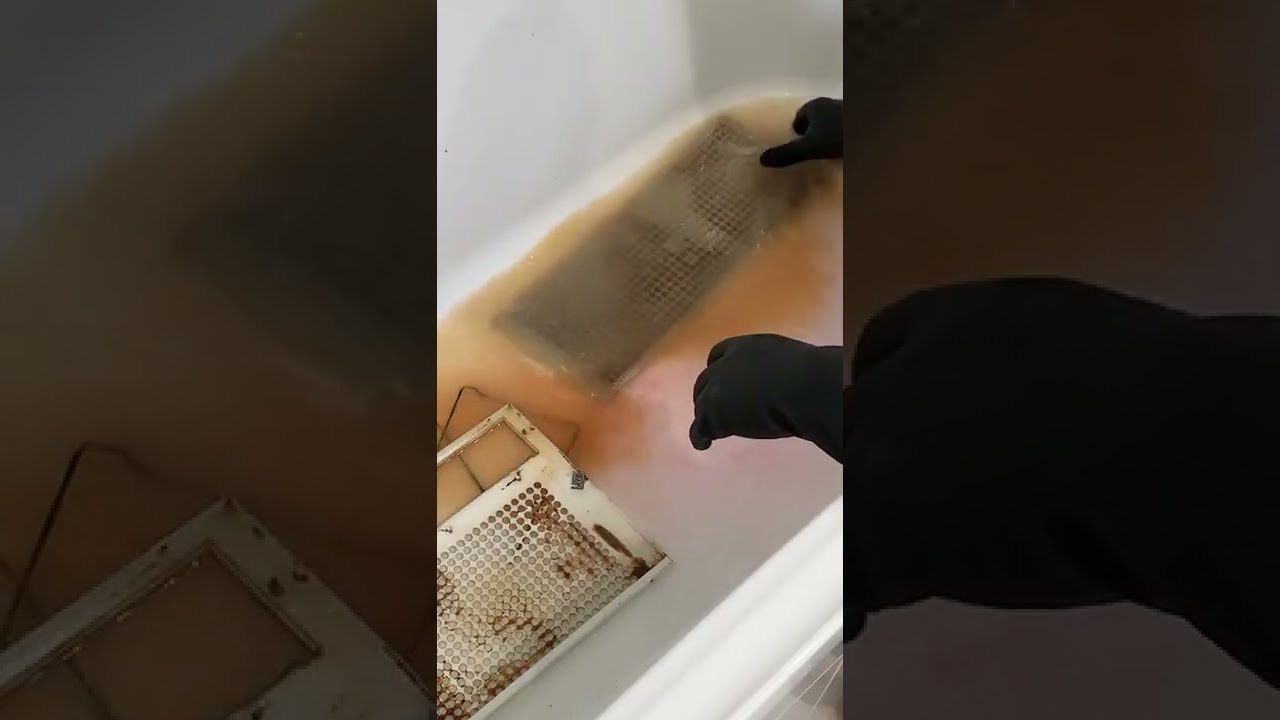
- Monthly: Clean visible grease filters. Quarterly: Vacuum the surrounding area and check for obvious physical damage to the hood structure. Annually (or Bi-Annually, depending on usage): Schedule a professional deep clean and system inspection.
Keeping Your Kitchen Safe and Sparkling
The regulatory environment surrounding range hood cleaning in Sydney is ultimately built upon one core concept: safety. The law acts as a guardrail, ensuring that the convenience of high-powered cooking does not come at the expense of structural integrity or safety.
If you are unsure about the exact requirements for your specific building type—whether it’s an older character home or a modern apartment block—don't hesitate to contact your local Sydney council. They are the definitive source for local bylaws.
Remember that proper ventilation is not merely a luxury; it is a fundamental component of responsible home ownership. By treating your range hood system with the respect it deserves—and adhering to the professional standards that govern its cleaning—you ensure that your kitchen remains a place of joy, not a hazard zone. Taking proactive steps today is the surest way to ensure your kitchen remains safe for decades to come.