If your kitchen rangehood smells less like freshly cooked gourmet meals and more like a poorly ventilated locker room, you are not alone. That distinct, inescapable aroma—a blend of burnt grease, smoky residue, and general kitchen funk—can be overwhelming. It’s more than just an aesthetic problem; it affects the very atmosphere of your home. Dealing with this persistent issue requires more than just a quick wipe-down; it demands a deep dive into the sources of the funk. This comprehensive guide is designed to equip you with the knowledge needed to tackle the toughest grease buildup and achieve true odor removal from dirty rangehood Sydney, restoring both the freshness of your kitchen and the efficiency of your appliance.

Understanding the Funk: Why Is My Rangehood Smelly?
More infoBefore you grab a bottle of spray cleaner, it’s crucial to understand why the smell is there. The culprit is rarely just the visible grease; it’s the sticky, invisible residue that has accumulated over time. Think of your rangehood as a biological grease trap, and over years of cooking, it has become saturated with volatile organic compounds (VOCs) and burnt fats.
The Role of Grease Buildup
Grease is sticky, and sticky things are excellent at trapping odors. When oil vaporizes and cools inside the filters and ductwork, it doesn't just disappear—it solidifies, forming a thick, dark coating. This coating acts like a sponge, soaking up every aromatic molecule that passes through it. It’s a vicious cycle: the dirtier it gets, the worse the smell becomes.
Beyond the Filters: Where Odors Hide
The smell doesn't just come from the visible filters. The ductwork itself, the internal fan housing, and even the surrounding cabinetry can harbor microscopic amounts of burnt residue. If the grease buildup is severe, the odor is trapped deep within the mechanical components, making simple cleaning insufficient. Isn't it frustrating when you clean everything visible, only for the smell to linger?
DIY Deep Clean: Tackling the Grease and the Ghost Smells
While professional help is often necessary for extreme cases, many common odors can be tackled with natural, powerful cleaning agents. These DIY methods are excellent for routine maintenance and moderate odor issues.
Harnessing Natural Deodorizers
Nature provides powerful cleaning tools. Baking soda and vinegar are your best friends in this battle. Vinegar is acidic and excellent at cutting through alkaline grease residues, while baking soda (sodium bicarbonate) is a natural deodorizer and mild abrasive.
- The Vinegar Steam Method: Combine equal parts white vinegar and water in a large pot. Boil it and then, with the rangehood running on the highest setting (safely, of course!), let the steam permeate the area for 15 minutes. The steam helps lift the grime, and the vinegar neutralizes many odor sources. The Baking Soda Paste: For visible surfaces and filters, create a paste of baking soda and water. Use an old toothbrush or scrubbing brush to gently scrub the affected areas.
Maintaining the Airflow: Filters and Fans
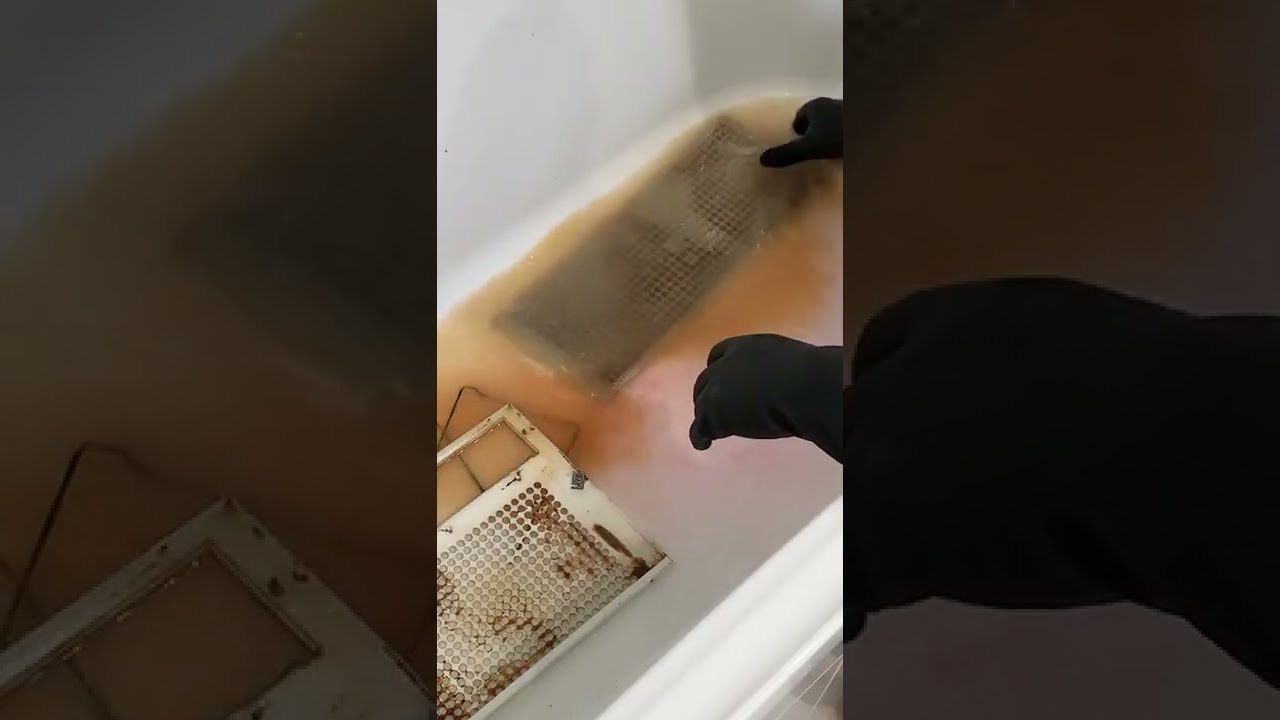
The filters are the most critical component for odor removal. They must be removed, soaked, and scrubbed separately.
- Filter Cleaning: Soak the metal mesh filters in a solution of hot water and a few tablespoons of dish soap, or a vinegar/water mix, for at least two hours. Scrubbing them thoroughly is non-negotiable. Addressing the Fan: If possible, safely access the fan blades. A damp cloth and mild detergent are needed to wipe down the visible parts of the fan.
Anecdote Alert! A friend of mine once tried to mask the smell by burning potpourri, which only made the kitchen smell like a combination of burnt cinnamon and rancid fryer oil. It taught us a valuable lesson: you must treat the source, not just the symptom.
When DIY Isn't Enough: Knowing When to Call in the Experts
Sometimes, the grease buildup is so dense, or the odor is so deeply embedded, that household remedies simply cannot penetrate the grime. At this point, you are battling a chemical problem that requires mechanical intervention.

The Necessity of Professional Extraction
If you have tried the methods above and the smell persists, it means the problem has migrated beyond the easily accessible surfaces—it’s in the ductwork. This is where a professional deep clean becomes invaluable. They possess specialized vacuum equipment that can pull out dust, grease, and residue from the internal ducts, ensuring true odor removal from dirty rangehood Sydney.
"The best preventative measure is always proactive maintenance," reads a quote from a local appliance specialist. This reminds us that prevention is always better than a deep clean emergency.
Identifying Structural Issues
A professional service won't just clean the rangehood; they will inspect the entire ventilation system. They will check for:
- Loose connections or leaks in the ductwork. Mold or mildew growth, which can be a secondary source of smell. Incorrect fan performance, which could signal an electrical or mechanical fault.
Building a Fresher Kitchen Environment for the Long Haul
Achieving successful odor removal from dirty rangehood Sydney isn't a one-time fix; it's a commitment to good kitchen habits. Think of maintenance as a shield protecting your indoor air quality.
Implementing Daily Habits
A few simple changes can make a massive difference in keeping your air clean and your appliances smelling fresh.
- Ventilate Immediately: Always turn on the rangehood before cooking and keep it running for 15-20 minutes after cooking. This allows it to pull out the peak concentration of cooking fumes. The Cleaning Schedule: Implement a routine cleaning schedule. Deep clean the filters and ductwork at least twice a year, regardless of how fresh the kitchen smells. Cooking Smarter: Use lids on pots and pans when possible. This traps the steam and grease residue at the source, reducing the overall load on your rangehood.
Are you treating your rangehood like a critical piece of air purification equipment, or just another appliance? Does the lingering smell feel like a permanent fixture of your kitchen life?
By understanding the root causes of the funk, dedicating time to proper cleaning, and integrating smart habits, you can ensure your kitchen remains a haven of wonderful aromas, not a funk factory. Taking the time to properly clean and maintain your ventilation system is an investment in your home's overall comfort and air quality.
Ultimately, achieving a truly fresh kitchen environment requires vigilance. Don't let the smell become an accepted background noise. By following these steps, you will restore not just the cleanliness of your appliance, but the joy of cooking itself.